

When Your AC Suddenly Stops: Understanding the Repair vs. Replacement Dilemma
There is nothing quite as jarring as realizing that on a scorching day-whether you’re enjoying the peak heat of Heavenly Valley or just trying to stay cool at home in Kings Beach-your air conditioner unit is blowing warm, useless air. The immediate thought is usually panic, followed quickly by the dreaded question: How much will this cost?
We hear you. The last thing you need when the temperature spikes and comfort is paramount is unexpected sticker shock or a confusing mountain of technical jargon. It feels like facing an impossible choice between fixing something expensive or replacing it with something even more expensive. This isn't just a simple parts-versus-unit comparison; it’s actually a complex system assessment that determines not only your short-term comfort but your long-term reliability and efficiency.
We proudly serve Kings Beach, CA hvac and the surrounding area.
When people ask us about the HVAC cooling system repair vs replacement cost dilemma, they are rightly concerned about money. But if we just compare the price of a new compressor to the cost of a full unit installation, you’ll get a misleading picture. The true decision hinges on three major factors: the overall lifespan and health of your entire system, how much efficiency you need to meet today's energy demands, and whether the failure is isolated or systemic. Before making any financial commitment, we need to understand why your AC failed in the first place.
Learn more about explore Smart Hvac Solution.
Is It Just a Tune-Up, or Something Bigger? Recognizing Symptoms That Need Expert Eyes
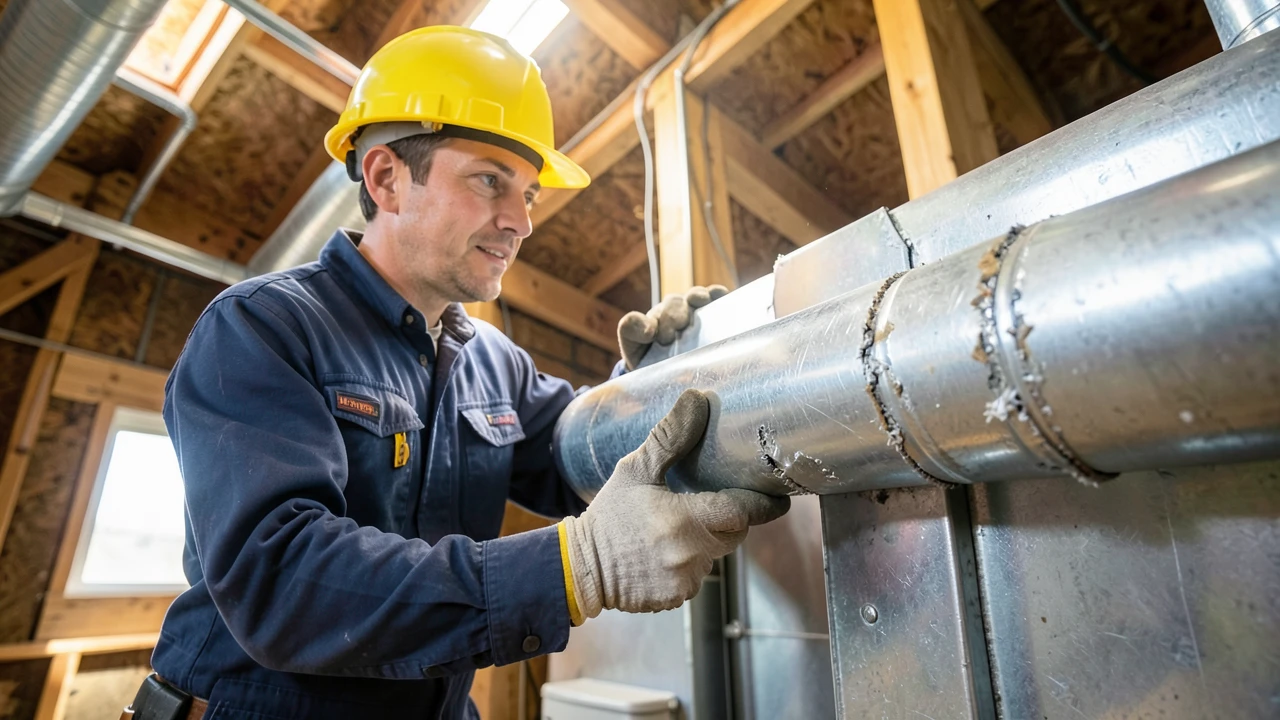
Sometimes, the warning signs are subtle-the kind of things that make you dismiss them as minor annoyances until they become major headaches. Maybe you notice strange noises coming from the unit during operation, perhaps one zone in your house cools poorly while others are fine, or maybe you’ve just noticed your utility bills creeping up without a clear reason why. These small clues are actually crucial diagnostic indicators that signal whether the problem is minor and manageable, or if something much larger has given way.
Think of your entire home's air handling system like household plumbing. If you hear a faint drip under the sink, it’s annoying but fixable. But if you discover a massive leak in the main water line, that tiny drip was just a warning sign for an impending disaster. HVAC systems are no different.
The most common culprits-and this is where many homeowner anxieties begin-are often not the compressor itself; they are frequently "invisible failures." These can include dirty coils (which severely restrict heat transfer), slow refrigerant leaks, or poorly sealed ductwork that allows conditioned air to leak out into unconditioned spaces like attics. Addressing these issues requires more than just looking at the main unit; it requires a deep inspection of the entire airflow path.
Furthermore, we need to talk about something sometimes overlooked: Indoor Air Quality (IAQ). Even if your unit runs perfectly and keeps you cool, poor filtration or neglect of ductwork can mean that while you are paying for cooling, you are actually breathing stale air, dust, or even mold spores. Our job isn't just to manage the temperature; it’s to analyze your whole home's breathing system to make sure you are breathing clean air year-round.
The Case for Repair: When Fixing Makes Financial Sense
Before anyone jumps straight to a replacement quote, we need to determine if repair is appropriate. A skilled technician knows that sometimes, the answer isn't "buy new," but rather, "fix this specific part." Defining a repair as appropriate means the core mechanical components-like the main compressor or fan motor-are structurally sound and the failure can be isolated to a single, non-systemic component.
This is where transparency in diagnosis is absolutely critical. Reputable service providers must perform a thorough diagnostic before quoting any repairs. Never agree to a price for a fix without knowing exactly what parts will be replaced and why. Surprise fees are unacceptable when you're already stressed by the heat.
Common, effective repairs involve things like replacing capacitors (which act like electrical batteries for the unit components) or fixing simple electrical control issues. These types of fixes can provide a fantastic "quick win"-restoring full function with minimal cost and disruption.
However, there are clear criteria that signal when repair is no longer worth the effort. If your system is significantly past its expected lifespan-generally speaking, units over 10 to 12 years old-or if you have experienced multiple major component failures (a fan motor failing, then a capacitor failing, and then a leak appearing) within a short period of time, it suggests the unit has reached the end of its useful life. Pushing a tired system risks cascading failures, which will cost far more than simply starting fresh.
When Efficiency Demands an Upgrade: Making the Case for Replacement
If your current system is struggling not because of one small part failure, but because the overall technology or efficiency standards have changed since it was installed, then replacement moves from being a luxury to a necessity. This is where we pivot the discussion from simply "fixing broken things" to future-proofing your comfort and your wallet.
We frame replacement not as an expense, but as a long-term investment with a measurable return on investment (ROI), primarily through energy savings. When discussing new equipment, you will hear about SEER/SEER2 ratings. Don't let the acronym intimidate you-simply know that higher efficiency ratings mean your unit uses less electricity to achieve the same level of cooling. Over the life of the unit, those saved kilowatt-hours translate into significantly lower utility bills, effectively reducing the true cost of ownership.
Modern systems offer incredible advantages, especially advanced heat pumps and mini-splits. These units are fantastic because they can provide highly targeted, zoned cooling and heating performance-perfect for homes with complex layouts or large second residences in areas like Tahoe Vista where different rooms have wildly varying needs.
And again, let’s talk about IAQ as a primary benefit of replacement. Older systems simply cannot match the level of filtration and humidity control that new, high-efficiency units can manage. A modern system ensures that when you turn on the AC, you are getting not just cold air, but clean air-a significant step up in whole-home health management.
Beyond the Unit: Optimizing Your Home’s Airflow for Lasting Comfort
As I often tell my clients, whether it's a sudden blast of warm air on a Tahoe day or sluggish cooling in the summer heat, the best system is one that works quietly and efficiently in the background, making your whole house feel like a perfectly tuned machine. This brings us to the most critical element: airflow dynamics.
The HVAC unit itself is only one part of the equation; the ductwork-the hidden circulatory system of your home-is equally important. Even if you purchase the absolute best, most energy-efficient A/C unit on the market, if those ducts are leaky or poorly sized, you will be wasting massive amounts of money and effort. Leaky ducts, often due to structural shifts, poor sealing, or age, can negate even the most expensive new HVAC investment because that conditioned air is simply escaping into unconditioned crawlspaces or attics.
To truly achieve lasting comfort, we must look at preventative planning. This means ensuring proper duct sealing and cleaning (ductwork air duct cleaning) in addition to maintenance. We recommend scheduling annual tune-ups before the peak season hits. Taking this proactive approach is how we tackle the reliability pain point head-on-we keep your system running smoothly when you need it most, guaranteeing that when a failure does occur, we are ready with an informed assessment of whether minor repair or full replacement is best for your specific needs and budget.
Ultimately, deciding between HVAC cooling system repair vs replacement cost requires us to be detectives first and repairmen second. By thoroughly assessing the age, efficiency, structural integrity, and overall airflow health of your entire home’s HVAC setup, we can give you a clear path forward-one that saves you money, improves your comfort, and keeps your family breathing clean air for years to come. Ready to take the guesswork out of major home systems? Call us today at +1 775-490-8107 or stop by our office at 412 Thompson St, Carson City, NV 89703 for a comprehensive whole-home airflow analysis.