
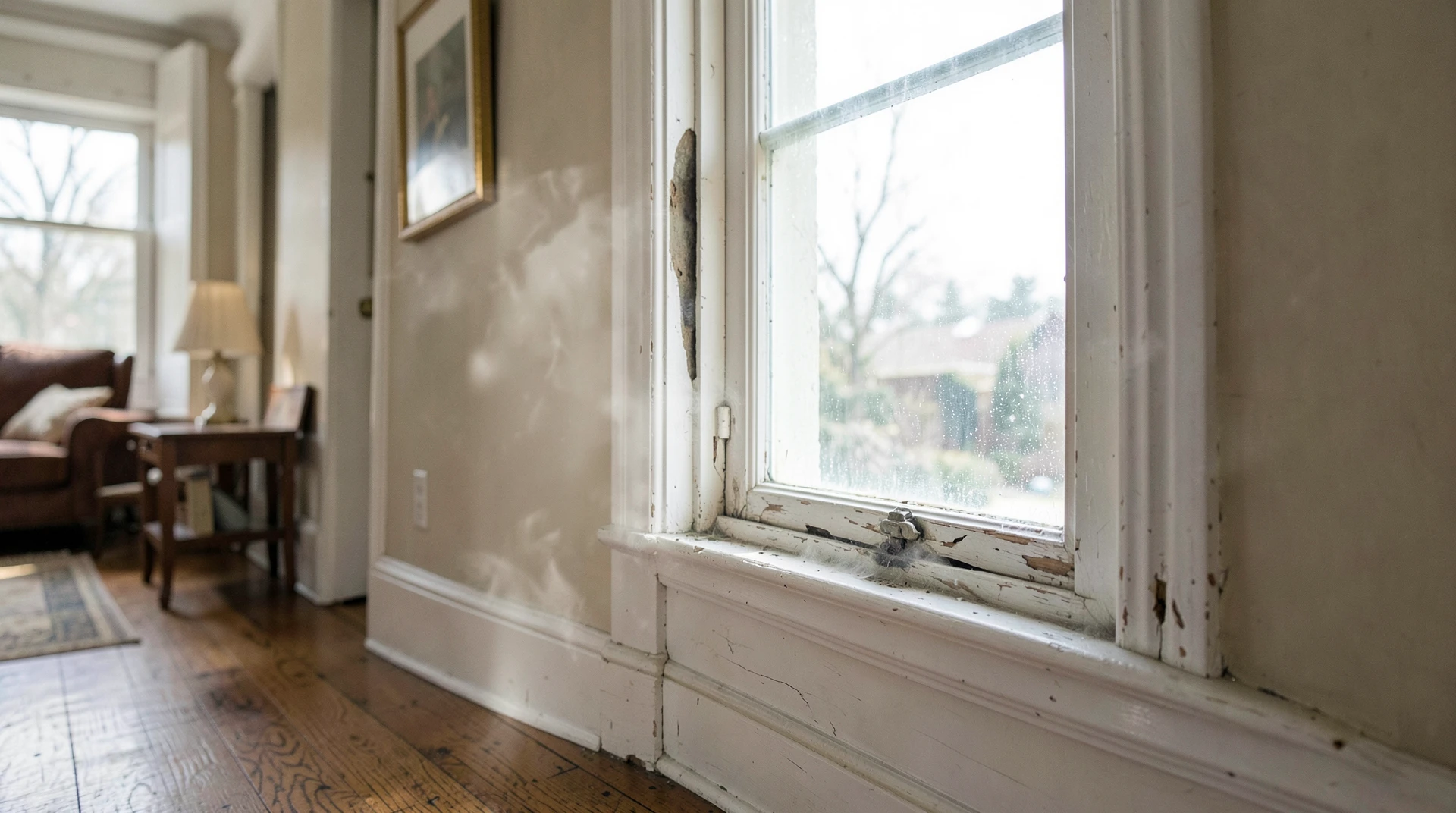
We hear you. You just installed a beautiful new smart thermostat-one that promises perfect efficiency and effortless climate control. But after the first few weeks, your utility bill comes in higher than expected, or maybe you notice that sudden, noticeable chill when the Tahoe air drops after what felt like a warm day in Heavenly Valley. It feels like you’re doing everything right, yet the comfort is elusive.
If your HVAC system feels like it's constantly fighting an uphill battle-working overtime just to maintain a steady temperature-the problem might not be your thermostat or even your unit itself. Often, the root cause lies deeper: in the structure of the home and how air moves through it. For many beautiful homes built decades ago in areas like Kings Canyon and Heavenly Valley, achieving proper Local support for climate needs requires addressing structural elements beyond just modern thermostats. Understanding this difference is key to achieving true comfort year-round.
When Your Home is Leaky: Why a Smart Thermostat Isn't Enough
If you’ve ever noticed temperature swings-a sudden burst of cold air in the living room, only for the master bedroom to feel warm and stuffy an hour later-you know that something isn't quite right with your home's climate control. We call this "thermal inconsistency." It shows up in two ways: frustrating discomfort and shockingly high utility bills that don’t match how much you actually used the system.
To understand this, think of your house not just as a container for air, but as a sophisticated plumbing system. When your pipes are old or leaky, you might pay to fill them with fresh water, only to watch half of it leak out before it reaches the sink. Poor insulation and aging ductwork act exactly like that leaky plumbing system. You pay for comfort (the hot/cool water), but much of that energy leaks out through cracks in your foundation, gaps around old windows, or inefficiently routed ducts, never reaching where you need it most.
It’s crucial to manage expectations right away: A smart thermostat is an incredible tool. It manages when cooling happens-telling the system when to kick on and off based on your schedule or presence. But a thermostat only controls the timing of your HVAC system; it cannot fix where the cool air goes, nor can it seal up structural leaks. Attempting to solve deep efficiency issues purely with smart scheduling is like putting better plumbing fixtures in a house with cracked pipes-it just makes the leakier areas more visible.

We understand that addressing these structural issues sounds daunting and expensive. But think of this not as another upfront expense, but as an investment in long-term reliability. A comprehensive solution focuses on making your home’s entire breathing system work efficiently from the ground up.
Understanding Airflow Dynamics: The Root Cause of Climate Control Failures
To truly solve poor climate control, you have to look past simple temperature readings and dive into what we call airflow dynamics. This is where my experience comes in handy; efficiency isn't just about the BTU rating on your AC unit-it’s fundamentally about how air moves throughout the structure of the building.
In older homes common across the Kings Canyon area, structural weaknesses are incredibly common. We aren't talking about cosmetic flaws; we mean deep inefficiencies like leaky ductwork (the network of ducts carrying conditioned air), gaps around electrical outlets or plumbing penetrations, and simply inadequate sealing in walls and attics. If your HVAC ducts are leaking into a dusty crawl space, you are essentially throwing perfectly good, conditioned air right out the window-or more accurately, through the floor.
This is why traditional central AC systems struggle so much when paired with poor insulation or leaky ductwork. The system works incredibly hard-it cycles on and off, pushing maximum power-but a significant portion of that energy never reaches your living room because it's being lost to drafts and structural leaks. It’s like trying to fill a swimming pool with a hose while simultaneously letting the bottom leak out; no matter how strong the hose is, you won't fill it.
When homeowners search for smart thermostat alternatives for poorly insulated homes, they are often searching for a magic button that solves everything. But we have found that the true fix isn't technological at all; it’s structural. Before any "smart" device can optimize your comfort, the physical pathways for the air must be optimized first.
Smart Alternatives: Choosing the Right Climate Solution for Older Homes
Since central AC systems are so heavily reliant on a perfectly sealed structure and extensive ductwork, they can become an uphill battle in older homes. This is where we need to explore alternatives that bypass the limitations of massive ductwork overhauls.
The most effective solutions often involve mini-splits and high-efficiency heat pumps. These decentralized systems are game-changers for poorly insulated or heavily renovated properties. Instead of relying on one huge central unit feeding air through a vast, leaky network, mini-splits install individual units in specific zones-say, your primary bedroom and the family room.
The immense benefit here is zone control. This means you can maintain optimal comfort levels where you are sleeping or relaxing, regardless of how poorly insulated the rest of the house might be. If a draft comes through an old window in the dining room, it won't significantly impact the perfect climate bubble maintained in your bedroom unit.
For many clients concerned about disruption-and we know that renovating is disruptive enough!-mini-splits are often far easier and less invasive to install than attempting to overhaul decades of central ductwork. They provide localized comfort control without requiring massive structural tear-outs, minimizing mess while maximizing reliability.
When comparing the options for a client struggling with both poor insulation and outdated systems, we always guide them through a comparison focused not just on SEER ratings (though those matter!), but on localized control and reliability. A mini-split system shines when you need to boost comfort in specific areas without the hassle of massive duct sealing or structural work.
Beyond Temperature: Why Indoor Air Quality Must Be Your Priority
If I could leave one message for homeowners, it would be this: We need to elevate the conversation from mere temperature control to whole-home breathing system health. This is where we talk about Indoor Air Quality (IAQ).
Poor insulation doesn't just let drafts in; it acts like a magnet for pollutants. When your home is leaky, you are not just bringing in cool mountain air-you are pulling in outdoor allergens, mold spores from damp crawlspaces, and even vehicle exhaust pollutants through those tiny gaps. A temperature-perfect house can still be an unhealthy house if the air circulating within it is dirty.
This requires a multi-layered approach to Indoor air quality HVAC solutions. Our professional scope goes far beyond simply checking your thermostat settings. We look at:
- Advanced Filtration: Upgrading filtration (like higher MERV ratings) to capture particulates and allergens before they circulate.
- Air Purification Systems: Integrating dedicated purification units that actively scrub the air of pollutants.
- Structural Sealing & Duct Cleaning: This is critical. We must seal those leaks and ensure the ducts themselves are clean, preventing mold growth in the hidden passages.
We can tell you right now: A smart thermostat cannot purify moldy air, and a high-efficiency heat pump won't stop pollutants coming through large gaps. Tackling these structural elements-the sealing, the filtration, the cleaning-is the most critical step before any technology can truly deliver maximum benefit.
Building Your Comfort Plan: What to Expect from Professional Assessment
We know that talking about system replacements and ductwork sealing sounds overwhelming, especially when you are worried about sticker shock or massive disruption to your family life in Kings Canyon. We want to remove that uncertainty for you.
Our process is built on transparency and thorough diagnosis. Before we ever recommend a single piece of hardware-whether it’s a new mini-split unit, upgraded filters, or just duct sealant-we conduct a comprehensive initial assessment. This involves professional airflow testing and a detailed structural inspection. This diagnostic phase allows us to pinpoint the exact source of your energy loss and discomfort.
When we walk you through a plan, we will give you a full, detailed breakdown upfront. There are no surprise fees or hidden costs waiting in the wings. We aim to be like that trusted neighbor who gives honest advice: telling you exactly what needs fixing now, and what can wait until next year. Our job is not just to sell you a unit; it's to diagnose your home’s entire breathing system.
Ultimately, finding truly effective smart thermostat alternatives for poorly insulated homes requires understanding the unique blueprint of your specific structure in Kings Canyon or Heavenly Valley. We must first determine if the problem needs replacing merely the smart controls, updating the core HVAC unit, or-and this is often the most overlooked step-sealing the ducts and improving insulation first.
If you are experiencing persistent temperature inconsistencies, high bills despite careful usage, or simply suspecting your home has more "air leaks" than it should, don't wait for a breakdown. Contact Smart Hvac Solution today to schedule an assessment. We’ll help turn those complex HVAC concerns into a straightforward, actionable plan that brings you lasting comfort and clean air, year-round.